Deutsch
 English
 Français
 Español
 Italiano
 Svenska
 Čeština
 Nederlands
 Русский
 Українська
 Polski



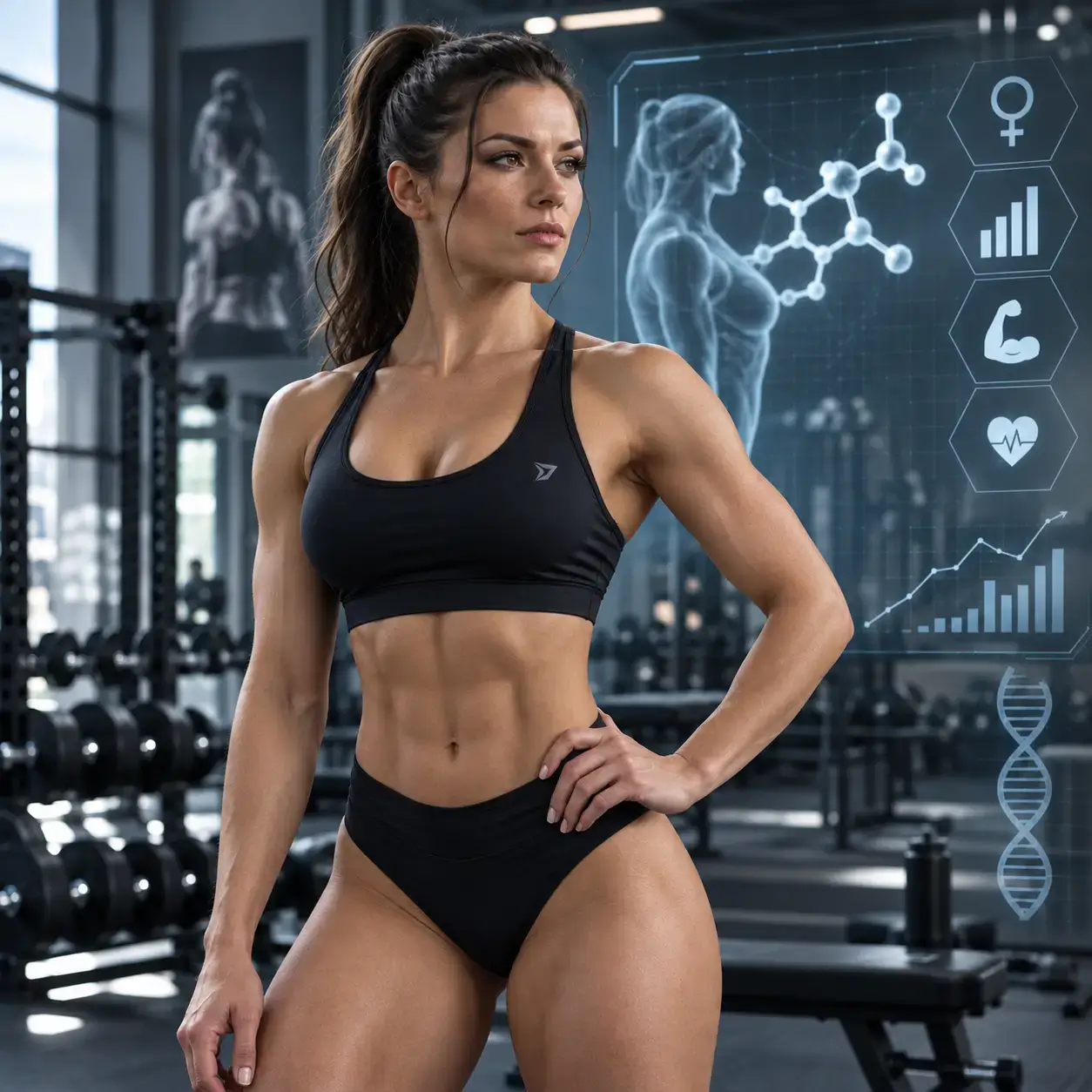
Sports pharmacology requires a different approach in women. The female body is considerably more sensitive to androgenic exposure, which means that compounds often regarded as relatively mild by male athletes can produce noticeable changes in women even at comparatively limited exposure.
The main issue is not simply how effective a compound may be for gaining muscle or getting leaner. It is equally important to consider the risk of virilization, changes in the menstrual cycle, effects on blood lipids, liver function, and the cardiovascular system. Some changes, including deepening of the voice, may persist even after the compound has been discontinued.
For that reason, a practical approach to female bodybuilding is not about finding a completely safe drug. It is about understanding which compounds are used for different goals, how their profiles differ, and which side effects require particular attention in women.
Sports pharmacology for women: goals in bodybuilding
Women naturally have much lower physiological androgen levels than men. This affects the rate at which absolute muscle mass can be gained, recovery, and the development of strength. This is one reason some competitive female athletes turn to pharmacological support when training, nutrition, and recovery alone are no longer sufficient for the goals they are pursuing.
In sports practice, pharmacology is most commonly associated with several objectives:
- supporting and increasing lean muscle mass;
- preserving muscle during a prolonged calorie deficit;
- maintaining strength and training performance;
- improving body composition before a competition.
These compounds do not replace nutrition or a properly structured training program. If calorie intake, protein intake, sleep, and recovery are poorly managed, pharmacology cannot compensate for those basic weaknesses.
Female hormonal physiology and response to anabolic compounds
Testosterone is naturally present in women, but its physiological concentration is much lower than in men. Androgens play roles in muscle, bone, reproductive, and other physiological systems, so adding androgen-active compounds can alter the normal hormonal environment relatively quickly.
The main sex-specific concern for women is virilization, meaning the development of male secondary sexual characteristics. Possible signs include:
- deepening of the voice or changes in vocal tone;
- increased facial and body hair growth;
- acne and increased skin oiliness;
- androgenic hair loss;
- disruption or cessation of the menstrual cycle;
- clitoral enlargement.
One of the most important aspects of virilization is that not every change is fully reversible. Voice changes and clitoral enlargement, for example, may persist after the compound is stopped.
This is why evaluating a drug purely on the basis of a theoretical anabolic-to-androgenic ratio can be misleading. Real-world risk depends on the specific compound, its pharmacokinetics, the duration of exposure, and individual sensitivity.
Compounds used for muscle gain in women
For muscle gain, women in the bodybuilding environment tend to pay more attention to compounds with a less pronounced androgenic profile. That does not make them safe, but meaningful differences between compounds do exist.
Oxandrolone
Oxandrolone is often considered one of the less androgenic anabolic steroids, which is why it is frequently discussed in female bodybuilding. It is typically associated with gradual increases in lean mass, maintaining strength, and improving a drier-looking physique without pronounced estrogen-related water retention.
Its reputation as a “mild” compound should not be misleading. Oxandrolone can worsen the lipid profile, place stress on the liver, and cause signs of virilization. In sensitive women, voice changes, acne, or menstrual disturbances can develop even without extreme androgen exposure.

Methenolone
Methenolone, also known as Primobolan, is generally chosen less for rapid mass gain and more for its comparatively moderate anabolic profile and lack of aromatization into estrogen.
In female bodybuilding, Methenolone is more often associated with gradual muscle gain and preserving muscle tissue during a cutting phase. It is still an androgenic compound, however, so the risk of virilization does not disappear. Individual sensitivity is especially important: two athletes exposed to the same compound can respond very differently.


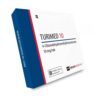
Turinabol
Turinabol is also seen in female bodybuilding because of its anabolic activity without aromatization into estrogen. It is generally associated with lean mass gain and improvements in strength.
However, Turinabol is an oral 17-alpha-alkylated steroid, so liver markers and the lipid profile require particular attention. It should not simply be described as a “mild alternative” to other AAS solely because it does not aromatize.
Compounds used for cutting and muscle preservation in women
During contest preparation, the body is placed in an energy deficit. If that deficit is too aggressive or maintained for too long, muscle mass can decline along with body fat.
Adequate protein intake, resistance training, a reasonable rate of weight loss, and sufficient recovery remain the foundation of muscle preservation. Pharmacology may influence certain physiological processes, but it does not remove the need for these basic conditions.
Clenbuterol
Clenbuterol is used in sports during cutting phases because of its stimulant and thermogenic effects. It can increase heart rate and energy expenditure, which is why it is often associated with faster fat loss in a visual bodybuilding context.
The main limitation is its cardiovascular side-effect profile. Possible effects include tachycardia, tremor, elevated blood pressure, cardiac rhythm disturbances, anxiety, and sleep problems. Treating Clenbuterol as if it were simply an ordinary fat burner therefore understates its pharmacological risks.

Somatropin
Somatropin is used in bodybuilding because of its influence on lipolysis and tissue metabolism. In a competitive context, growth hormone is more often viewed as a tool for body-composition management than as a conventional anabolic steroid.
Growth hormone is not a harmless way to “strengthen ligaments,” nor does it guarantee muscle preservation. Potential adverse effects include fluid retention, numbness or tingling in the extremities, changes in insulin sensitivity, and other metabolic disturbances.
How risks are assessed in sports pharmacology for women
For women, choosing a compound with a reputation for being “mild” is not enough. Actual tolerability is highly individual, and there is no universally safe dose or duration for non-medical use.
In practice, it is important to pay attention not only to laboratory results but also to early changes in well-being and physical appearance. Particular attention should be given to:
- changes in the voice;
- increased male-pattern hair growth;
- worsening acne;
- hair loss;
- changes in the menstrual cycle;
- increased blood pressure;
- deterioration in general well-being or sleep.
Laboratory monitoring is also relevant. Depending on the individual situation, this may include the lipid profile, liver markers, a complete blood count, hormonal markers, and other tests where medically appropriate.
It is important to understand that normal-looking laboratory results do not guarantee an absence of risk. Early signs of virilization, for example, may develop even while standard blood markers remain relatively unremarkable.
Main side effects and the risk of virilization
For women, virilization remains one of the most specific risks associated with androgen-active pharmacology. In general, the more pronounced the androgenic activity of a compound and the greater the individual sensitivity, the higher the likelihood of these changes.
Voice changes deserve particular attention. If the voice becomes noticeably deeper, persistent hoarseness develops, or the voice begins changing without another obvious explanation, it should not be ignored. Some structural and functional changes to the vocal apparatus following pronounced virilization may persist long term.
Androgenic exposure can also disrupt ovulation and the menstrual cycle. This is not limited to Testosterone or compounds considered “heavy” injectable steroids. Any substance with sufficient androgenic activity can potentially interfere with normal reproductive function.
Effects on blood lipids, cardiovascular health, and the liver also need to be considered. Some oral steroids, for example, can significantly lower HDL and raise LDL even when the athlete feels completely normal and notices no obvious external symptoms.
Sports pharmacology for women: practical considerations
Different compounds do have meaningfully different profiles in female bodybuilding. Oxandrolone and Methenolone are generally regarded as less androgenic than many other AAS. Turinabol is used in the context of lean mass and strength, but requires particular attention to liver function and blood lipids. Clenbuterol and Somatropin are used for different purposes altogether and each comes with its own set of risks.
The practical conclusion, however, is not to identify one “best drug for women.” What matters more is understanding what a particular compound may realistically contribute and what physiological cost may come with that effect.
The more aggressive the pharmacological intervention becomes, the greater the likelihood that improvements in physique or performance will be accompanied by changes that cannot simply be reversed as soon as the drug is discontinued.
Sports pharmacology for women: key conclusions
Sports pharmacology has distinct considerations for women primarily because the female body is highly sensitive to androgenic exposure. This does not mean that every compound carries the same level of risk, but there are no completely safe anabolic-androgenic steroids for women.
Compounds with a less pronounced androgenic profile may offer a more favorable balance between potential effects and risks for certain goals. Even so, they can still cause virilization, menstrual disturbances, changes in the lipid profile, and other adverse effects.
In practice, three things deserve particular attention: having a clearly defined goal, identifying adverse effects early, and understanding that some changes may be irreversible.
Muscle gain and cutting still begin with nutrition, resistance training, and recovery. Pharmacology may enhance certain processes, but it also adds risks that are especially important to consider in advance in female bodybuilding.