Deutsch
 English
 Français
 Español
 Italiano
 Svenska
 Čeština
 Nederlands
 Русский
 Українська
 Polski




When preparing for a bodybuilding competition, athletes are not only trying to build muscle. They also need to preserve as much muscle tissue as possible while reducing body fat and improving the visual detail of the physique. During a cutting phase, the main priorities usually become maintaining muscle in a calorie deficit, controlling unnecessary water retention, and keeping training performance as stable as possible.
In non-medical competitive bodybuilding, different anabolic-androgenic steroids are used in pursuit of these goals. Among the best-known compounds discussed in relation to a dry, lean look and final-stage contest preparation are Methenolone (Primobolan) and Drostanolone (Masteron).
Both compounds are non-aromatizing, meaning they do not convert into estrogen. However, they differ in their anabolic and androgenic profiles, the way they are typically viewed and used in bodybuilding, and the side effects and limitations that need to be taken into account.
Methenolone and Drostanolone: key characteristics and main differences
Methenolone is an anabolic-androgenic steroid also widely known by the trade name Primobolan. It has a comparatively moderate anabolic and androgenic profile and does not aromatize into estrogen. For this reason, in bodybuilding it is more often associated with preserving muscle tissue during a calorie deficit and gradually improving body composition rather than producing rapid increases in bodyweight or muscle size.
That does not mean Methenolone is neutral in relation to the body’s own hormonal system. Like other AAS, it can suppress the hypothalamic-pituitary-gonadal axis and reduce endogenous androgen production.
Drostanolone is a dihydrotestosterone (DHT) derivative that also does not aromatize into estrogen. In bodybuilding, it has traditionally been associated with the later stages of contest preparation, when subcutaneous body fat is already low enough for changes in muscular detail and overall visual sharpness to become more noticeable.
Drostanolone has a more pronounced androgenic profile. That means the visual characteristics for which it is valued need to be considered alongside a greater relevance of androgen-related adverse effects, including acne, oily skin, accelerated androgenetic hair loss, and virilization in women.
The key difference between the two compounds is not that one is “safe” while the other is not. Methenolone is generally regarded as the more moderate option in terms of androgenic activity, while Drostanolone is valued primarily for the way it can influence the appearance of an already lean physique.
Methenolone in bodybuilding: effects on muscle mass and physique quality
In bodybuilding, Methenolone is usually associated with gradual anabolic support without pronounced estrogen-related water retention. It is not a direct fat-burning compound, so actual fat loss still depends on creating and maintaining an energy deficit.
In non-medical sports use, Methenolone is mainly discussed in the context of:
- preserving muscle tissue during a calorie deficit;
- providing moderate anabolic support;
- the absence of direct aromatization into estrogen;
- a more predictable change in visual appearance without pronounced estrogen-related water retention.
When body fat is already relatively low, the absence of aromatization may contribute to a drier-looking physique. However, muscle density, definition, and vascularity are not determined by one compound alone. They depend on a combination of body-fat percentage, the amount of subcutaneous water, total muscle mass, nutrition, and the athlete’s overall level of preparation.
Methenolone should also not be described as a completely safe option for prolonged use. Even though its androgenic profile is relatively moderate, it can still suppress endogenous hormone production, negatively affect the lipid profile, and produce other systemic effects.
Methenolone Enanthate
Methenolone Enanthate is the longer-acting ester form of Methenolone. The enanthate ester slows the release of the active compound and results in a more prolonged concentration profile in the body. The underlying anabolic mechanism is still determined by Methenolone itself rather than by the ester. In practical terms, the ester primarily changes the pharmacokinetics of the compound.
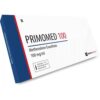
Methenolone Acetate
Methenolone Acetate contains the same parent hormone but is attached to the shorter acetate ester. As a result, its release profile differs from the enanthate form. The main differences between Methenolone Acetate and Methenolone Enanthate therefore relate to pharmacokinetics and the formulation of the specific product rather than to a fundamentally different anabolic effect of Methenolone itself.
In other words, the choice of Methenolone form in bodybuilding is mainly linked to the characteristics of the ester and the product being used. The broader endocrine and cardiovascular risks remain associated with Methenolone as an AAS and do not disappear simply because a shorter- or longer-acting ester is chosen.
Drostanolone in bodybuilding: muscle density, definition, and visual effect
Drostanolone (Masteron) is best known in bodybuilding as a compound associated with the later stages of cutting and contest preparation.
Because Drostanolone does not aromatize, it does not directly cause estrogen-related water retention. When subcutaneous body fat is already low, this can contribute to a drier visual appearance and more clearly defined muscular contours.
However, it would be inaccurate to claim that Drostanolone automatically makes muscles look “hard” or “shredded.” The visible effect depends heavily on the athlete’s starting body composition. At a higher body-fat percentage, the characteristic cosmetic effect of Drostanolone is likely to be much less noticeable.
In competitive bodybuilding, the compound is mainly valued for:
- the absence of aromatization;
- a more pronounced androgenic profile;
- the lack of direct estrogen-related water retention;
- the ability to provide anabolic support while the athlete is in a calorie deficit.
At the same time, Drostanolone also suppresses the body’s own hormonal axis and can negatively affect the lipid profile. The fact that it does not aromatize should therefore not be interpreted as an absence of systemic risk.
Drostanolone Propionate
Drostanolone Propionate is the shorter-acting ester form of Drostanolone. Compared with longer esters, it is characterized by faster release of the active compound and a faster decline in concentration after administration is discontinued. The underlying anabolic and androgenic activity is still determined by Drostanolone itself.
Drostanolone Enanthate
Drostanolone Enanthate is a longer-acting ester form of the same compound. The enanthate ester provides a slower release and a more prolonged presence of the active substance in the body. In terms of its basic anabolic and androgenic mechanism, it is not a separate drug. The main differences from the propionate form are pharmacokinetic.

Drostanolone Propionate and Drostanolone Enanthate therefore differ mainly in the speed and duration of release. Both retain the same underlying compound profile: no aromatization, androgenic activity, and the systemic risks associated with AAS use.
Comparison of the anabolic and androgenic profiles
Methenolone and Drostanolone share one important characteristic: neither aromatizes into estrogen. However, their overall pharmacological profile and their usual role in bodybuilding are different.
| Characteristic | Methenolone | Drostanolone |
|---|---|---|
| Anabolic profile | Moderate, associated with supporting muscle retention and gradual anabolic activity | Moderate anabolic effect combined with a more pronounced androgenic profile |
| Androgenic activity | Comparatively moderate | More pronounced |
| Aromatization | Does not aromatize | Does not aromatize |
| Estrogen-related water retention | Not characteristic of the compound itself | Not characteristic of the compound itself |
| Effect on endogenous hormone production | Suppressive | Suppressive |
| Effect on lipid profile | May worsen | Potentially more pronounced deterioration |
| Androgenic side effects | Possible | Generally more relevant |
| Typical bodybuilding context | Muscle retention and moderate anabolic support | Late-stage contest prep and visual refinement at low body fat |
Methenolone is generally distinguished by its more moderate androgenic profile, while Drostanolone is more often valued in bodybuilding because of its stronger androgenic character combined with the absence of aromatization.
Use during a cutting phase: differences in how the compounds are viewed
Both compounds are seen in non-medical bodybuilding practice during phases aimed at reducing body fat, but their roles are not exactly the same.
Methenolone is more commonly associated with moderate anabolic support and helping preserve muscle tissue during a prolonged calorie deficit. Its lack of aromatization also gives it a different profile from compounds that can significantly increase estradiol levels.
However, Methenolone should not be treated as a “maximally safe” AAS that can be used indefinitely or as a compound that automatically becomes safe when it is used without other drugs. It can suppress endogenous hormone function and influence cardiovascular risk markers.
For women, the comparatively lower androgenic activity of Methenolone also does not mean the risk of virilization is absent. Voice deepening, changes in hair growth, and other androgenic effects can occur, and some of these changes may be irreversible.
Drostanolone is more strongly associated with the later stages of contest preparation, when an athlete has already reached a low level of body fat. Its characteristic visual effect is much more noticeable under these conditions than it would be when a substantial amount of subcutaneous fat is still present.
Drostanolone is also not a direct fat burner. The reduction of body fat is still determined primarily by an energy deficit, while Drostanolone acts through androgenic and anabolic mechanisms.
Methenolone and Drostanolone in contest preparation
In non-medical competitive bodybuilding, Methenolone and Drostanolone are sometimes used within the same broader pharmacological strategy because some of their characteristics are considered complementary.
In that context, Methenolone is associated mainly with anabolic support and preservation of muscle tissue, whereas Drostanolone is valued for its more pronounced androgenic profile and the way it can affect the appearance of an already lean physique.
Both compounds:
- do not aromatize into estrogen;
- have anabolic-androgenic activity;
- can suppress the body’s endogenous hormonal axis;
- may negatively affect the lipid profile;
- do not replace a calorie deficit, resistance training, or adequate recovery.
Using the two compounds together does not make either one safer. On the contrary, combining multiple AAS increases the total pharmacological and androgenic burden and makes the individual response of the body more difficult to predict.
Side effects and limitations
Despite their reputation as relatively “mild” anabolic steroids, both Methenolone and Drostanolone carry systemic risks.
Relevant risks for both compounds include:
- suppression of the hypothalamic-pituitary-gonadal axis;
- reduced endogenous testosterone production in men;
- possible deterioration of the lipid profile;
- a potential increase in cardiovascular risk;
- effects on reproductive function and fertility;
- acne and increased skin oiliness;
- accelerated androgenetic hair loss in genetically predisposed individuals.
Because Drostanolone has a more pronounced androgenic profile, androgen-related adverse effects are generally a greater concern with this compound.
For women, both compounds can cause virilization. Possible changes include voice deepening, male-pattern hair growth, menstrual disturbances, and other androgenic effects, and some of these changes may be irreversible.
Existing cardiovascular, endocrine, liver, kidney, or other chronic health conditions require separate medical assessment and may substantially increase the risks associated with AAS use.
Methenolone or Drostanolone: key conclusions from the comparison
Methenolone and Drostanolone are both non-aromatizing anabolic-androgenic steroids, but it would be incorrect to treat them as interchangeable.
Methenolone is generally viewed in bodybuilding as the more moderate option in terms of androgenic activity, with gradual anabolic support. It is most often associated with preserving muscle mass during a calorie deficit and with the absence of pronounced estrogen-related water retention.
Drostanolone has a more pronounced androgenic profile and is more often associated with the later stages of contest preparation. Its characteristic visual effects are most noticeable when body fat is already low.
At the same time, neither compound should be considered safe. Both can suppress endogenous hormone function, worsen the lipid profile, and carry androgenic and cardiovascular risks.
For that reason, comparing Primobolan and Masteron makes more sense in terms of their pharmacological profiles, lack of aromatization, differences in androgenic activity, and the roles with which they are associated in competitive bodybuilding rather than reducing the discussion to the question of “which compound is better?”