Deutsch
 English
 Français
 Español
 Italiano
 Svenska
 Čeština
 Nederlands
 Русский
 Українська
 Polski




Amino Acids
Amino acid products for recovery and muscle support




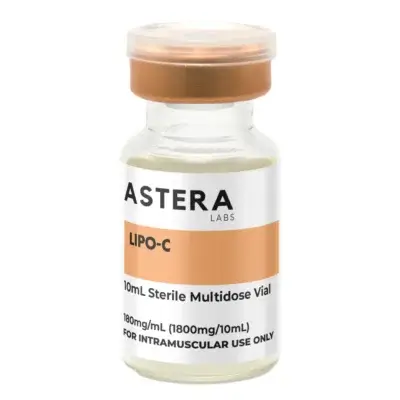
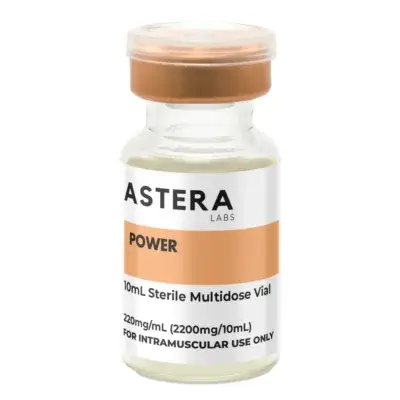

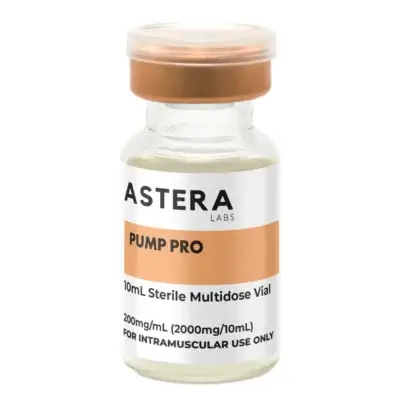
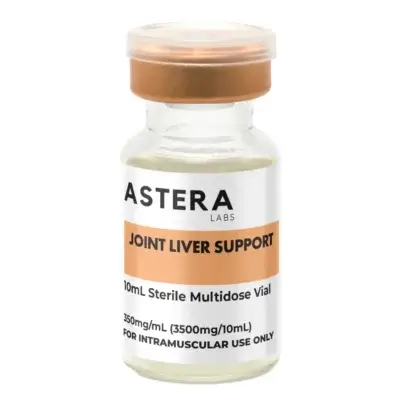
Amino Acids for Bodybuilding, Training and Recovery
Amino acids are the compounds from which the body builds proteins, including proteins found in skeletal muscle and many other tissues. For athletes and bodybuilders, adequate amino acid intake is therefore closely connected with muscle protein synthesis, recovery and the maintenance of muscle mass.
Most amino acids are obtained naturally from dietary protein. However, amino acid supplements can provide a convenient additional source when regular meals are difficult to fit around training, during demanding preparation phases or when an athlete wants a precisely measured serving of specific amino acids.
At Dinespower, you can compare amino acid products for different training goals and choose supplements according to their composition, format and intended use.
What Role Do Amino Acids Play in Bodybuilding?
Resistance training stimulates processes of muscle protein breakdown and synthesis. To build and maintain muscle tissue, the body needs an adequate supply of amino acids together with sufficient total protein and energy.
Of particular importance are the essential amino acids (EAAs), which the body cannot produce in sufficient amounts on its own and must obtain through food or supplements. Leucine is especially well known for its role in signaling muscle protein synthesis, but muscle growth depends on the availability of the complete set of essential amino acids rather than on leucine alone.
For bodybuilders, amino acid intake can be especially relevant during:
- high-volume resistance training;
- periods with increased protein requirements;
- calorie-restricted cutting phases;
- long training sessions when a regular meal is inconvenient;
- periods when maintaining muscle mass is a priority.
Amino acid supplements should nevertheless be viewed as part of an overall nutrition strategy. They do not replace sufficient protein, calories, sleep or a well-designed training program.
EAA, BCAA and Individual Amino Acids: What Is the Difference?
Not all amino acid supplements have the same composition or purpose. Understanding the main categories makes it easier to choose a product that fits your training and diet.
- EAA supplements. Essential amino acid formulas provide all nine essential amino acids required from the diet. They are often chosen by athletes looking for a broad amino acid profile in a compact serving.
- BCAA supplements. BCAAs contain leucine, isoleucine and valine. These three branched-chain amino acids participate in muscle metabolism, although BCAAs alone do not provide all essential amino acids required for complete muscle protein synthesis.
- Glutamine. Glutamine is one of the most abundant amino acids in the human body. It plays roles in nitrogen transport, immune function and intestinal metabolism. Its usefulness as a bodybuilding supplement depends on the athlete’s diet and specific needs.
- Arginine. Arginine participates in the production of nitric oxide and is commonly included in sports nutrition products associated with blood flow and training performance.
- Single-amino-acid formulas. Individual amino acids may be used when an athlete is looking for a specific compound rather than a complete EAA or BCAA blend.
Because these products serve different purposes, the “best” amino acid supplement depends on what is already provided by the athlete’s diet and what they expect from supplementation.
Amino Acids During Bulking and Cutting
The role of amino acids can differ between a mass-gain phase and a cutting phase.
During bulking, the main nutritional priorities are sufficient calories and protein. If these requirements are already met through food, additional amino acids may provide convenience but are not a substitute for a complete diet.
During cutting, maintaining muscle mass becomes particularly important because calorie intake is reduced. Adequate protein remains the foundation, while EAA or other amino acid products can be useful when an athlete needs an easy-to-consume source of amino acids around training or between meals.
This distinction is important: amino acid supplements can support a well-structured bodybuilding diet, but they do not independently create muscle growth or fat loss.
Amino Acids for Training and Recovery
Recovery after resistance training depends on several factors, including protein intake, total calories, carbohydrate availability, hydration, sleep and training volume. Amino acids contribute to this process because they provide the raw materials required for protein synthesis and tissue maintenance.
Some athletes prefer amino acid drinks before, during or after training because they are easy to consume and do not require a full meal. This can be practical during long sessions or when training takes place far from regular meals.
However, amino acid supplements should not be presented as a way to prevent muscle soreness or injuries. Delayed-onset muscle soreness is influenced by training novelty, intensity and muscle damage, and no amino acid supplement can guarantee its prevention.
For most athletes, the key question is therefore not simply “when should I take amino acids?” but whether their overall daily intake of protein and essential amino acids is sufficient.
Do You Need Amino Acid Supplements if You Already Use Protein?
This is one of the most important questions for athletes considering amino acid supplements.
High-quality protein foods and protein powders already contain amino acids, including EAAs and BCAAs. If an athlete consistently consumes enough complete protein throughout the day, a separate amino acid supplement may offer less additional benefit.
Nevertheless, standalone amino acids can still be convenient in situations where:
- a full protein shake or meal is not practical;
- the athlete wants a low-calorie source of amino acids;
- training sessions are long or scheduled between meals;
- a specific amino acid is being added to an existing nutrition plan;
- precise control over supplement composition is preferred.
For this reason, amino acids are best chosen according to the complete diet rather than simply added on top of an already sufficient protein intake.
How to Choose Amino Acids for Bodybuilding
When comparing amino acid supplements, focus on the actual formula rather than marketing claims. A useful product should clearly state which amino acids it contains and how much is provided per serving.
Key points to consider include:
- Type of formula. Decide whether you need a complete EAA blend, BCAAs or an individual amino acid.
- Amount per serving. Compare the quantity of active ingredients rather than the total powder weight alone.
- Amino acid profile. For EAA products, check that all essential amino acids are represented.
- Additional ingredients. Flavourings, sweeteners, carbohydrates, electrolytes or other compounds may be included depending on the product.
- Format. Powders are convenient for mixing into drinks, while capsules or tablets may be easier to use on the go.
- Your existing protein intake. Consider what your regular diet and protein supplements already provide before adding another source.
More ingredients do not automatically make a better amino acid product. A clear composition and a formula that fits your actual nutritional needs are more important.
When Is the Best Time to Take Amino Acids?
There is no single timing strategy that is necessary for every athlete. Total daily protein and amino acid intake is generally more important than consuming amino acids at one exact moment.
Depending on the product and personal routine, athletes may use amino acids:
- before training when the previous meal was several hours earlier;
- during longer training sessions;
- after training when a regular protein-rich meal will not be available soon;
- between meals as a convenient amino acid source.
The appropriate serving depends on the formulation, so the product label should always be checked rather than applying the same intake to every EAA, BCAA or single-amino-acid supplement.
Buy Amino Acid Supplements Online at Dinespower
At Dinespower, you can buy amino acid supplements for bodybuilding, fitness and other strength-based sports. The range includes products suitable for different nutritional strategies, training phases and levels of experience.
When choosing amino acids, compare the active ingredients, serving size and intended use rather than relying only on claims about muscle growth or recovery. This makes it easier to select a product that complements your existing diet and training plan.
Browse amino acid supplements at Dinespower, compare available formulas and order original products online with worldwide delivery.