Deutsch
 English
 Français
 Español
 Italiano
 Svenska
 Čeština
 Nederlands
 Русский
 Українська
 Polski



Enclomiphene and Clomiphene Citrate, also known as Clomid, are used after suppressive AAS cycles when the goal is to restore normal function of the body’s own hormonal axis. Both belong to the SERM class and can increase LH and FSH, which may help restore endogenous testosterone production.
The difference lies in their composition: Clomiphene contains two isomers — Enclomiphene and Zuclomiphene — while a standalone Enclomiphene product contains only the first. This affects duration of action, pharmacokinetics and tolerability, so in bodybuilding the two are considered closely related but not completely identical tools for PCT.
How Enclomiphene and Clomiphene affect the hormonal axis
After a cycle of anabolic steroids, LH and FSH often remain suppressed. As a result, the testes receive a weak signal to produce endogenous testosterone.
SERMs block part of the estrogen-mediated negative feedback at the level of the hypothalamus and pituitary gland. In response, secretion of LH and FSH increases. LH stimulates Leydig cells and testosterone production, while FSH is involved in regulating spermatogenesis.
In men with secondary hypogonadism, Enclomiphene increased testosterone, LH and FSH in clinical studies, while spermatogenesis was preserved better than with testosterone replacement. Clomiphene has also been used off-label in men for many years to stimulate endogenous hormonal function.
However, an improvement in laboratory values is not the same as proven effectiveness of a specific bodybuilding PCT protocol. Enclomiphene studies were conducted primarily in men with hypogonadism rather than bodybuilders after AAS use. During the review of EnCyzix, the European regulator also noted that testosterone increases had been demonstrated, but the clinical benefit in terms of symptoms had not been adequately established.
When Enclomiphene or Clomid may make sense after a cycle
SERMs are particularly logical to consider when, after drug concentrations from the cycle have fallen sufficiently, endogenous LH, FSH and testosterone remain suppressed. In this situation, stimulating the pituitary gland addresses the underlying problem — an insufficient central hormonal signal.
For example, after a short Turinabol cycle without long esters, the transition to recovery can happen relatively quickly. After Testosterone Propionate, there is also usually no need to wait for several weeks. The situation is very different after Enanthate, Cypionate, Nandrolone Decanoate or a multi-compound cycle, where the last injection does not mean that the suppressive drug has already left the body.
If LH is already high while testosterone remains low, the situation looks different: the pituitary is sending a signal, but the testes are responding poorly. In this case, increasing the dose of Enclomiphene or Clomid may not produce the expected result.
How Enclomiphene is used after a cycle
In sports practice, one of the more common approaches is around 25 mg of Enclomiphene once daily for 4–6 weeks. Higher amounts of around 50 mg per day are also used. Clinical studies in men have included doses of 12.5 and 25 mg per day, with increases in LH, FSH and endogenous testosterone observed at these levels.
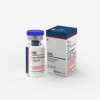
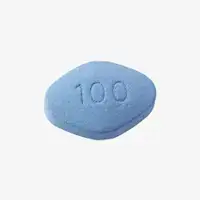
Enclomimed 25 from Deus Medical contains 25 mg of Enclomiphene Citrate per tablet. This concentration matches a common sports approach using one tablet per day. A 50 mg amount would require two tablets. If the hormonal response is already pronounced at 25 mg, increasing the amount does not guarantee faster recovery. Blood tests and tolerability are more important here.

How Clomiphene is used after a cycle
Clomiphene remains one of the best-known SERMs in traditional PCT protocols. In sports practice, 50 mg per day for the first 1–2 weeks is often used, followed by 25 mg per day. The total duration is usually around 4 weeks, although it may be extended depending on blood test results.
Reducing the dosage toward the end of a Clomid course is common, but it is not a mandatory rule. Different protocols are used in men, and the use of Clomiphene after AAS remains off-label.
Clomimed 50 from Deus Medical contains 50 mg of Clomiphene Citrate per tablet. When moving from 50 mg to 25 mg, the tablet can be split in half.

Clomiphene Citrate from Astera Labs also contains 50 mg of Clomiphene Citrate per tablet. In terms of concentration and dose calculations, the two options are comparable, so the main difference is the brand.

When to start PCT after different cycles
The timing of PCT depends less on the selected SERM and more on which compounds were used during the cycle and how long they continue to act after the final dose. With injectable steroids, the ester is especially important because it determines the rate at which the active compound is released and how long the suppressive hormonal environment persists.
For this reason, the same waiting period cannot be used after Turinabol, Testosterone Propionate and Nandrolone Decanoate. The longer the last active component of the cycle remains effective, the later it makes sense to transition to Enclomiphene or Clomiphene.
After Turinabol
Turinabol is an oral anabolic steroid that is not attached to an injectable ester and does not create a long-lasting depot in muscle tissue. After it is discontinued, its concentration falls considerably faster than that of long-acting injectable compounds.
If the cycle consisted only of Turinabol, the recovery phase can begin relatively soon after the final tablet. There is no need to wait two or more weeks purely for a long ester to clear.
However, Turinabol is often used together with Testosterone rather than on its own. If the cycle included Testosterone Enanthate or Testosterone Cypionate, for example, the timing of PCT is determined by the long-acting injectable component. In that situation, the last Turinabol tablet is not the relevant starting point for recovery.
After Testosterone Propionate
Testosterone Propionate contains the same active hormone — testosterone — as other esterified forms. The difference is the short Propionate ester, which allows the compound to be released more quickly after injection and decline more rapidly after discontinuation.
For this reason, after a cycle of Testosterone Propionate, sports practice often uses a reference point of around 2–3 days after the final injection before transitioning to Enclomiphene or Clomiphene. This is considerably shorter than after long testosterone esters.
If Propionate was the only injectable compound, this logic is relatively straightforward. If Nandrolone Decanoate, Boldenone Undecylenate or another long ester was used alongside it, however, Testosterone Propionate alone cannot determine the timing. The longer-acting compound will define the PCT schedule.
After Testosterone Enanthate or Testosterone Cypionate
Testosterone Enanthate and Testosterone Cypionate contain the same testosterone as Propionate, but they are attached to longer esters. After injection, they form a longer-lasting depot and release the active hormone gradually.
Because of this, the androgenic background remains significantly longer after the last injection. In sports practice, after Testosterone Enanthate or Testosterone Cypionate, a reference point of approximately two weeks before beginning a SERM is often used.
This does not mean that the entire compound has been eliminated by day 14. The purpose of the pause is different: to allow the concentration of exogenous testosterone to fall sufficiently so that stimulation of LH and FSH is not occurring against a strongly suppressive hormonal background.
The higher the weekly dosage and the longer the cycle lasted, the longer a residual hormonal background may persist. Therefore, two weeks is a practical reference point rather than an exact universal date.
After Nandrolone Decanoate
Nandrolone Decanoate differs not only in the ester but also in the active compound itself. It uses Nandrolone attached to the long Decanoate ester. This form is designed for slow release and prolonged action after injection.
For this reason, recovery after a cycle containing Nandrolone Decanoate is usually more difficult to plan using a simple calendar. Even after the final injection, the compound can continue to create a hormonal background and suppress the endogenous axis for some time.
Starting Enclomiphene or Clomiphene only a few days after stopping Nandrolone Decanoate is generally too early. In these protocols, the duration of Decanoate action and the type of Testosterone used alongside it both need to be considered.
For example, if the cycle included Nandrolone Decanoate + Testosterone Enanthate, both compounds are long-acting. Recovery is therefore planned after concentrations of both components have declined rather than automatically after two weeks simply because that reference point is often used for Enanthate.
After Boldenone Undecylenate
Boldenone Undecylenate is another example of a compound where a long ester significantly affects recovery planning. The active compound is Boldenone, while the Undecylenate ester provides slow and prolonged release after injection.
Because of its long duration of action, Boldenone Undecylenate may remain a relevant suppressive factor longer than short forms of Testosterone or oral compounds. Therefore, starting PCT immediately after discontinuing accompanying Turinabol, Oxandrolone or Testosterone Propionate would not be logical.
If Boldenone was used together with Testosterone Enanthate or Testosterone Cypionate, the timing should be based on the overall picture and the longest-acting component of the cycle.
After a multi-compound cycle
In combined protocols, the timing of PCT is determined not by whichever compound happened to be stopped last on the calendar, but by the component that remains pharmacologically active the longest.
For example, a cycle may include Testosterone Enanthate + Nandrolone Decanoate + Turinabol. Turinabol will leave the protocol quickly, Testosterone Enanthate will decline more slowly, and Nandrolone Decanoate may remain influential even longer. Starting a SERM simply because a few days have passed since the last Turinabol tablet does not make sense in this case.
Another example is Testosterone Propionate + Boldenone Undecylenate. Despite the short Testosterone ester, Boldenone remains a long-acting component, so the usual 2–3-day reference point after Propionate does not apply to this protocol.
Before PCT, it is useful to break down the entire cycle by active compounds and esters. This is what makes it possible to identify which drug actually determines the timing of the transition to recovery.
Which blood tests are useful and how to know whether recovery is actually happening
The minimum set includes total testosterone, LH, FSH and estradiol. SHBG and calculated free testosterone can also be useful. Prolactin makes sense to check when there are relevant symptoms or after cycles containing compounds that may significantly affect this system.
Blood tests while using a SERM show whether the body is capable of responding to the drug. However, this is not yet the final result of PCT.
To assess whether the hormonal axis is functioning independently, another check is needed after Enclomiphene or Clomiphene has been discontinued. The exact timing depends on the compound used and how long its effects persist. With standalone Enclomiphene, this period is shorter, whereas Zuclomiphene in Clomiphene can remain present for considerably longer.
For this reason, blood tests performed too soon after Clomid may still reflect the action of the SERM rather than fully independent secretion of LH and FSH.
If fertility is important, testosterone alone is not enough. In that situation, semen analysis can be useful because normal hormone levels do not guarantee a normal sperm count or normal sperm quality.
Enclomiphene or Clomid: practical differences and what to choose
Both compounds are used with the same general goal — to stimulate endogenous gonadotropins and testosterone. However, their composition and pharmacokinetics differ.
| Parameter | Enclomiphene | Clomiphene / Clomid |
| Composition | Single isomer | Enclomiphene + Zuclomiphene |
| Main action | Stimulation of LH and FSH through the SERM mechanism | The same central SERM logic, but with the influence of the second isomer |
| Pharmacokinetics | Shorter persistence | Zuclomiphene remains significantly longer |
| Use experience | Studies in men with secondary hypogonadism | Much longer clinical and sports off-label experience |
Enclomiphene may be more attractive when the goal is to use the isolated anti-estrogenic isomer without the long persistence of Zuclomiphene. Its pharmacokinetics are simpler, and human studies confirm its ability to increase LH, FSH and testosterone.
Clomid remains a familiar and long-used option. There is substantially more practical experience with it in men, and 50 mg tablets fit conveniently into common protocols that later transition to 25 mg.
If Clomiphene has already been well tolerated and has produced normal recovery according to blood tests, there is little reason to switch simply because Enclomiphene is a newer option. If Clomid is tolerated poorly or the goal is specifically to use the isolated isomer, Enclomiphene appears to be a logical alternative.
Side effects and limitations
Enclomiphene and Clomiphene can cause headaches, nausea, gastrointestinal discomfort, changes in mood and changes in libido. As endogenous testosterone rises, estradiol may also increase.
An aromatase inhibitor should not automatically be added to PCT for this reason. If E2 genuinely becomes a problem, it is more useful to evaluate blood tests and symptoms first rather than suppressing estradiol preventively.
With Enclomiphene, it is also important to consider the limited amount of long-term safety data. During its review of EnCyzix, the EMA noted, among other concerns, the risk of venous thromboembolism.
With Clomiphene, visual disturbances are especially important: blurred vision, flashes, spots or other changes in visual perception. If these occur, the drug should be discontinued and ophthalmological evaluation should be sought. Prolonged and, in some cases, irreversible visual disturbances have been reported with Clomiphene, so it is not advisable to wait for symptoms to worsen.
Main conclusions on the use of Enclomiphene and Clomiphene after a cycle
Enclomiphene and Clomid make the most sense when, after the compounds from the cycle have declined sufficiently, endogenous hormonal function remains suppressed.
Before starting PCT, the full composition of the cycle should be considered, especially the active compounds and esters used. Recovery can begin earlier after short-acting compounds, while Testosterone Enanthate, Testosterone Cypionate, Nandrolone Decanoate and Boldenone Undecylenate require longer waiting periods.
Enclomiphene offers the simpler profile of a single isomer, while Clomid has considerably more experience behind its use. The result is best evaluated through blood tests and by whether the restored hormonal function remains stable after the SERM has been discontinued.