Deutsch
 English
 Français
 Español
 Italiano
 Svenska
 Čeština
 Nederlands
 Русский
 Українська
 Polski




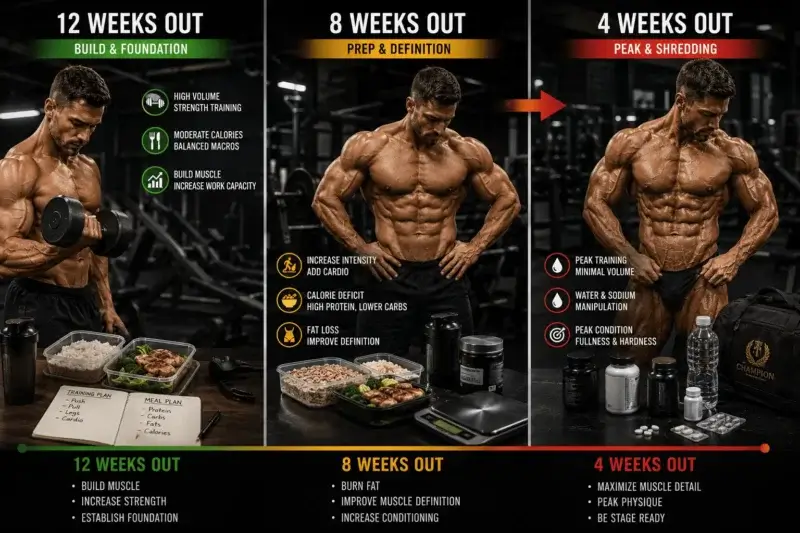
The cutting phase in bodybuilding follows the muscle-gaining stage. The main goal during this period is to remove the fat layer while preserving muscle mass. If athletes use a calorie surplus, intense strength training, and activation of protein synthesis to build mass, the strategy changes dramatically during cutting. Calories must be significantly reduced, and cardio is usually increased.
With a properly structured cut, the muscles gain the desired definition and sharpness. During natural weight loss, the body may respond with reduced energy and endurance. The body’s response to a calorie deficit includes a slower metabolism, stronger hunger, and increased cortisol concentration. This can lead to the loss of not only fat tissue, but also muscle. Properly selected sports pharmacology can help reduce these negative effects.
Another problem during cutting is a drop in strength performance and slower recovery of the body. It is important to act consistently and know how to compensate for the loss of strength with the help of appropriate products. High-quality sports pharmacology is aimed at effective muscle preservation and recovery during cutting.
The impact of cutting on muscle recovery: energy, hormones, and muscle catabolism
During cutting, the body’s ability to recover decreases. It is necessary not only to preserve muscle while reducing fat tissue, but also to restore energy. Why recovery gets worse during cutting and which factors have a negative impact:
- reduced glycogen in the muscles, which causes general fatigue, decreased performance, and slower recovery;
- a drop in anabolic hormone levels, slower metabolism, and constant hunger;
- muscle catabolism and a high risk of muscle fiber breakdown.
To accelerate recovery during cutting, calories should not be reduced too sharply. This should be done gradually. The diet must contain a significant amount of protein. This protects the muscles from being burned. Athletes increase training intensity, while reducing the number of sets and increasing the weight. Do not forget about sleep routine.
Sports pharmacology during cutting provides significant support for the body and helps it adapt to harsh conditions. Products protect muscle tissue from catabolism. An overly aggressive cut is not recommended. It can lead to hormonal imbalance, slower metabolism, and a decrease in endogenous testosterone levels.
Post-workout recovery during cutting: how the body’s response to training changes
Lowering the body fat percentage is not easy for the body. It is a stressful situation created by a calorie deficit and increased training volume. The body begins to conserve resources, while post-workout recovery during cutting requires more rest time and sleep. The use of sports pharmacology products helps maintain the necessary balance between fat loss and muscle preservation. On days with more intense workouts, specialists recommend slightly increasing carbohydrates to boost energy.
To accelerate recovery during cutting, athletes should use products that suppress catabolism, drink more clean water, and sleep at least 8 hours per night. Pharmacology has a positive effect on metabolism, protects muscle fibers from breakdown, and helps speed up fat burning. Athletes are advised to establish a stable daily routine and try to eliminate chronic stress.
All important elements must work simultaneously during cutting. A moderate calorie deficit is combined with enough protein in the diet. Cardio volume and strength training help accelerate lipolysis. If energy drops, emotional state worsens, and constant hunger appears, fat burners and SARMs should be added to preserve muscle and endurance.
How to preserve muscle during cutting: training, nutrition, and recovery control
The main factor of cutting remains the calorie deficit, which helps accelerate the burning of the fat layer. If the body spends more energy than it receives, it takes the missing amount from its own fat reserves. It is important to give the muscles a signal to stay preserved through intense strength training. How to preserve muscle during cutting:
- eat more protein, which is the main building material for muscle mass;
- do not reduce training intensity, and add cardio;
- sleep 8 hours per night;
- eat regularly, preferably at the same time;
- choose a complex of sports products — with anti-catabolic action, fat burners, and vitamins.
With a properly structured cutting process, the condition does not worsen and there is no constant feeling of exhaustion. Pharmacology helps control appetite, while the sleep routine remains stable. Only fat tissue is reduced, while muscle mass is fully preserved. As a result, the body gains definition, and the muscles become clearly visible.
How to accelerate recovery during cutting: sleep, recovery, and reducing overload
To reduce the negative impact of cutting on the body’s recovery, it is necessary to develop a precise plan and follow it throughout the entire period. During a calorie deficit, the body’s ability to regenerate significantly worsens. It is important not only to preserve muscle, but also to avoid exhaustion, overtraining, and accumulated fatigue.
The main factors that influence recovery speed include:
- sleep and rest;
- a balanced diet;
- training intensity and volume.
Without cutting, it is impossible to achieve expressive body definition. Burning the fat layer is always stressful for the body. It is important to support it at this stage and reduce the negative impact on the muscles. The body responds to lower calories by reducing the production of thyroid hormones, which slows metabolism. Leptin levels also decrease — the hormone that regulates satiety — while the concentration of ghrelin, the hunger hormone, rises significantly. As a result, you constantly want to eat. A cutting phase usually lasts 8–12 weeks, which is considered an optimal period for achieving results.
Sports pharmacology during cutting: support for recovery and muscle preservation
Sports pharmacology can neutralize the negative impact of cutting on muscle recovery. On our website, athletes can order certified products for effective fat burning, gaining lean muscle mass, and supporting and adapting the body during periods of intense training.
Following a diet and training regimen in combination with properly selected high-quality products guarantees a strong result. To preserve muscle mass and protect against catabolism during a calorie deficit, athletes often use Ostarine (MK-2866) and Ibutamoren (MK-677), which help support anabolic processes and accelerate recovery. If the main goal is to increase endurance and improve fatty acid utilization, Cardarine (GW-501516) can be an effective solution. During a more aggressive cut and preparation for peak condition, Clenbuterol and ECA complexes are often used, helping enhance lipolysis and maintain high performance even during a calorie deficit.
A competent combination of products enhances metabolism and accelerates fat-burning processes without critically worsening recovery. Additionally, to support the joints and ligaments and improve tissue regeneration, peptides such as BPC-157 and TB-500 may be used, especially when cardio volume is high and training is intense. The body gains an aesthetic definition while remaining enduring and functional. Depending on the goal — a mild cut, preservation of lean muscle mass, or active fat burning before competitions — the Dinespower online store offers high-quality sports pharmacology for every stage of preparation.