Deutsch
 English
 Français
 Español
 Italiano
 Svenska
 Čeština
 Nederlands
 Русский
 Українська
 Polski




When an athlete begins using pharmacological support, fluid retention in soft tissues becomes a common part of the training process. This effect is caused by the ability of certain compounds to retain sodium. Sodium, in turn, attracts water molecules into the intercellular space. As a result, the body starts accumulating excess weight, which visually appears as swelling and loss of muscle definition.
Excess fluid hides muscle separation and makes it difficult to objectively assess training progress. Understanding how the body works helps you adjust nutrition in time and minimize swelling without harming your health. Any uncontrolled water retention at an early stage can ruin the overall impression of your physique.
The impact of edema on a bodybuilder’s appearance: why definition disappears and muscles look “watery”
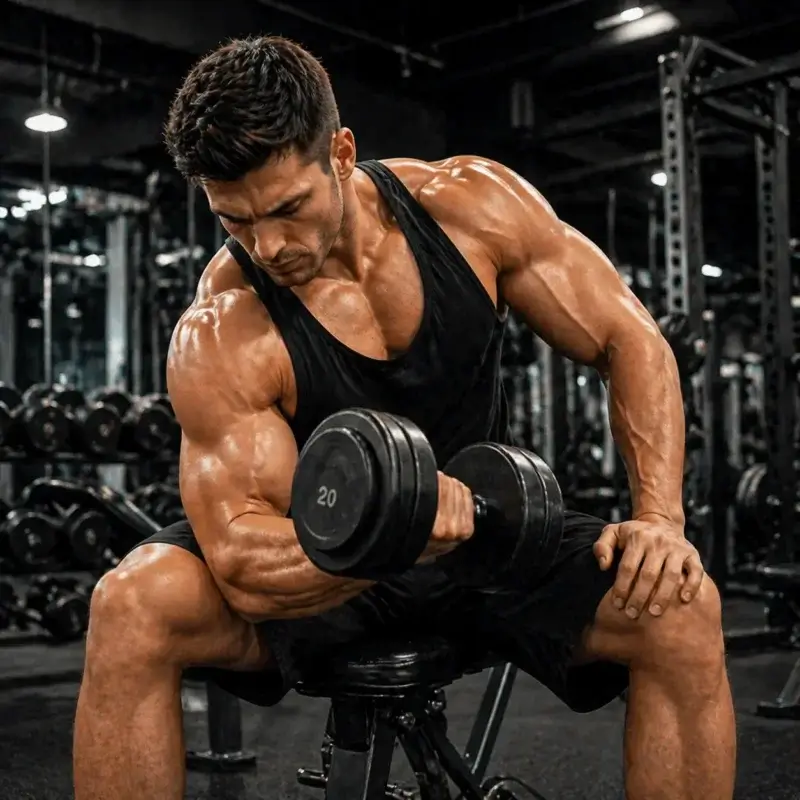
Professional bodybuilding is first and foremost about aesthetics and deep detailing of each muscle group. However, excess water can instantly turn a dry, athletic physique into a smooth, shapeless look. When fluid accumulates under the skin, sharp muscle lines become blurred, and vascularity almost disappears.
Water retention is especially noticeable in the abdominal area and lower back, where the skin becomes thicker and softer to the touch. Many mistakenly interpret this condition as a sudden increase in body fat, although in reality it is simply temporary fluid stagnation.
For a competitive athlete, this is critical, as judges on stage value a “dry” and hard look. To restore peak condition, it is necessary to properly eliminate excess fluid without overloading the kidneys. Severe subcutaneous water retention can negate months of hard work in the gym.
There are several visual signs that indicate excess water accumulation in the body:
- marks from socks or underwear that take a long time to disappear;
- noticeable morning puffiness of the face and swollen eyelids;
- sharp weight fluctuations of two to three kilograms within a single day.
These symptoms indicate that your body is struggling with fluid and electrolyte balance. If no action is taken in time, swelling can lead to increased blood pressure. Only understanding the root causes allows you to quickly eliminate negative effects and restore true muscle hardness and volume.
Cutting and fat loss: how deficits affect water retention
Many believe that an aggressive cutting phase guarantees the absence of subcutaneous water. However, reality is often different. When the body is under stress and a strict calorie deficit, it begins to defend its resources. In response to severe dietary restriction, water may be retained due to elevated cortisol levels.
This stress hormone directly affects electrolyte balance, forcing cells to hold onto every gram of fluid. As a result, instead of the expected definition, the athlete sees a “watery” physique in the mirror.
This type of “false fat loss” often demotivates beginners who do not understand the physiology of the process. In reality, the accumulated fluid only masks real fat loss, which becomes visible only after normalization. To move in the right direction, it is important to eliminate mistakes that provoke water retention during dieting: excessive salt intake or, on the contrary, its complete and abrupt restriction, as well as insufficient water consumption. If metabolic water retention does not subside, calorie intake should be reconsidered.
Proper fat loss requires a gradual approach in which fluid circulates freely and does not stagnate in tissues. If your cutting phase is accompanied by constant heaviness in the legs, it is worth reconsidering your training volume.
Often, it is overtraining and inflammatory processes in the muscles that force the body to accumulate fluid for recovery. It is important to remember: fat loss is a marathon, not a sprint, and rushing the process only increases swelling. A well-structured approach allows you to gradually eliminate excess fluid while maintaining performance and well-being.
Hormones and pharmacology: why excess water appears on cycle
The use of specific compounds in bodybuilding inevitably leads to changes in the endocrine profile. Any powerful anabolic hormone can cause sodium retention in the renal tubules. This occurs due to aromatization — the process of converting testosterone into estrogens.
Elevated estradiol levels are the main reason why an athlete starts to look “watery.” Under these conditions, excess fluid accumulates not only under the skin but also within muscle fascia, creating a misleading pump effect. However, this type of water provides no functional benefit and only increases strain on the heart. A properly designed cycle always includes bloodwork monitoring to manage such side effects in time.
If water retention becomes too pronounced, it becomes difficult for the athlete to perform cardio or even regular walking. At the same time, accumulated fluid in joint capsules may provide temporary relief from pain. However, systemic water retention negatively affects athletic performance.
To effectively eliminate excess fluid, aromatase inhibitors must be used. Only by keeping estrogen within the reference range can a dry look be achieved. Every hormone in this complex system must be monitored; otherwise, cutting will not deliver the desired quality. Ignoring these factors leads to water becoming a major obstacle on the path to stage-ready condition. Keep in mind that any externally introduced hormone can affect mineral balance differently.
How to get rid of water retention on cycle: diet, routine, and fluid control
The fight against fluid retention should not begin with pharmaceutical drugs, but with adjustments to daily habits. To effectively reduce excess weight, it is necessary to review carbohydrate intake. Keep in mind that every gram of glycogen holds approximately four grams of water.
When water retention is present, temporarily reducing sugars can quickly improve the situation. At the same time, fluid intake should remain sufficient. The paradox is that fresh water helps flush out stored fluid from intercellular spaces. If the body receives enough fluid, it stops hoarding it. The potassium-sodium balance also plays a key role in determining whether you experience swelling. To normalize this balance:
- increase intake of potassium-rich foods;
- maintain proper sleep, as key filtration processes occur at night;
- include moderate activity to stimulate lymph flow and remove waste products.
If water retention is caused by dietary mistakes, results can be seen within a few days. Excess fluid leaves, revealing muscle definition and improving overall well-being.
Professional bodybuilding requires discipline in every detail, including control of salt and hidden sauces in the diet. If fluid continues to stagnate, attention should be paid to liver and kidney function.
A healthy body responds much faster to changes, allowing the athlete to eliminate all excess. Remember: fluid should work for you by transporting nutrients, not remain under the skin as dead weight.
How to remove excess water before cutting: practical bodybuilding approaches
To fully eliminate what hides muscle definition, athletes use the “water loading” method followed by a gradual reduction in fluid intake. This forces the kidneys to work at a higher rate, and when intake decreases, the body continues to excrete water by inertia.
However, this method requires significant experience, as rapid electrolyte loss can lead to cramps. Proper cutting is always a balance between peak condition and maintaining health. Excess water only leaves when all systems work in sync. When preparing for an important event, professionals use proven methods:
- using herbal decoctions with mild diuretic effects;
- visiting a sauna to eliminate toxins and excess fluid through the skin;
- temporarily eliminating dairy products, which can cause specific water retention in many individuals.
After these procedures, muscle volume becomes more defined and the skin thinner. Water retention no longer interferes, and the athlete can see the results of months of hard work. It is important that fat loss results in a quality physique rather than simple exhaustion.
During the cutting phase, the body is especially sensitive, so any compounds must be used carefully. The ultimate goal is to remove subcutaneous water while preserving intracellular fullness. Only then does bodybuilding reveal the true power and aesthetics of the human body.
Certified cutting products in the Dinespower online store
In the Dinespower store, you will find only original products that help make your physique truly hard and defined. We understand that in bodybuilding there are no small details, which is why we offer only certified products. Properly selected compounds allow you to effectively eliminate fluid retention and accelerate lipolysis. Your cutting phase will be significantly more productive when using proven products.
Our range includes solutions for various preparation goals: aromatase inhibitors, fat-burning complexes, and mild diuretics that help safely remove excess fluid from intercellular spaces. To enhance fat loss and endurance, compounds such as Cardarine (GW-501516) and Stenabolic (SR-9009) can be used, while for a strong thermogenic effect — Clenbuterol and the ECA complex. In cases where controlling estrogen levels and minimizing water retention is crucial, aromatase inhibitors such as Exemestane are used.
By choosing our products, you ensure predictable results and minimize risks. Excess water will no longer be a problem when approached professionally. At Dinespower, we make sure you can purchase the necessary compounds with confidence in their quality. Remember, even the best hormone requires proper support. A stable organism is the key to long-term success in sports. Use only proven products — and your physique will be ideal, while water retention becomes a thing of the past.