Deutsch
 English
 Français
 Español
 Italiano
 Svenska
 Čeština
 Nederlands
 Русский
 Українська
 Polski



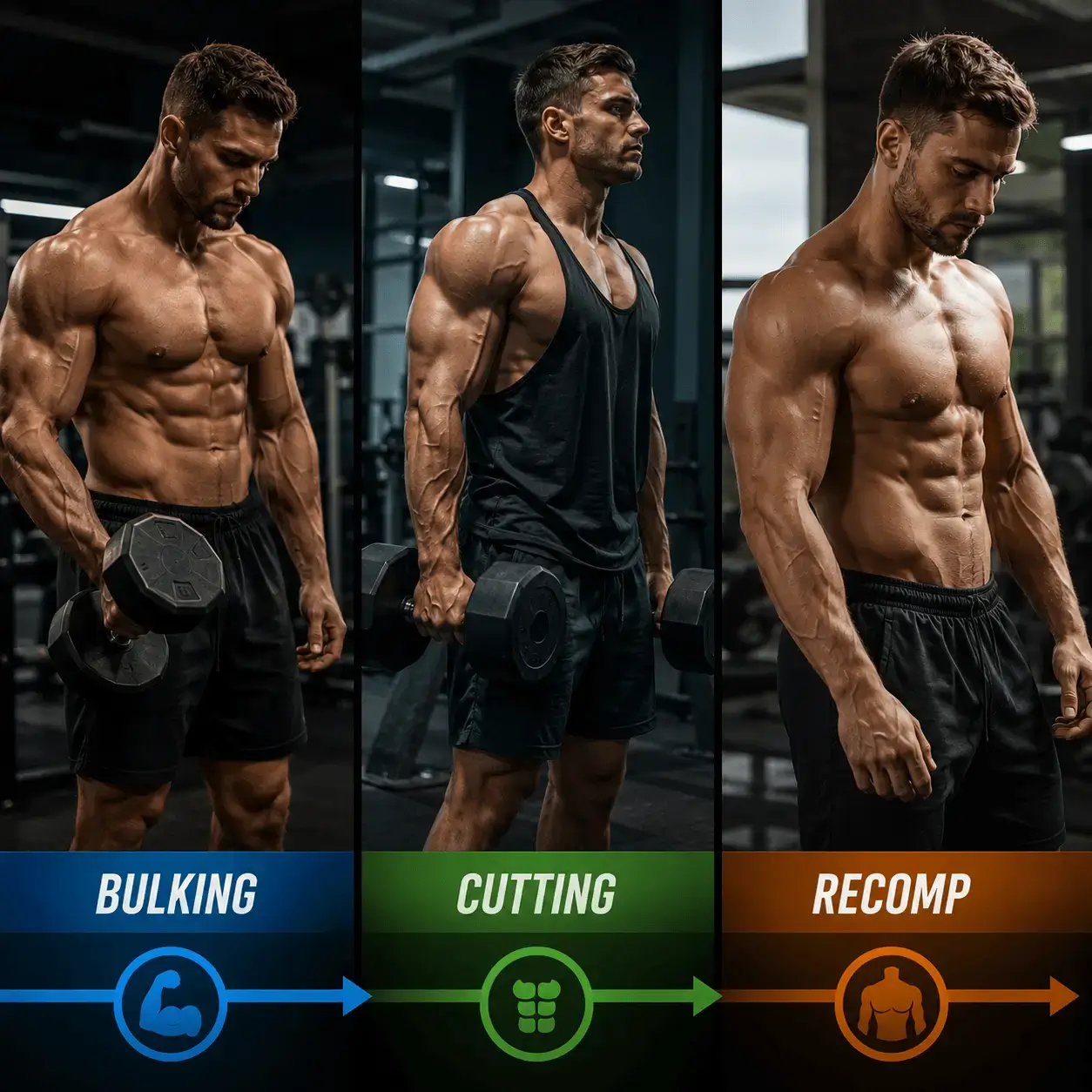
Professional bodybuilders combine training and sports pharmacology to achieve their goals as efficiently as possible. Complete body recomposition is almost impossible to achieve through weight training alone. Only the correct combination of training and a steroid course allows athletes to simultaneously build muscle and burn fat. A properly selected SARMs course works in a targeted way, helping athletes achieve a dense, dry, and highly defined physique.
A training program during a steroid course is usually based on the split-training principle. The structure of the program distributes workload across different muscle groups. This provides additional recovery time because each muscle group is trained intensely only once every 4–7 days.
Modern sports pharmacology activates anabolic processes and accelerates metabolism. As a result, athletes can rapidly build lean muscle mass. At the same time, many athletes maintain a slight calorie deficit, which positively affects the cutting phase. Courses often include compounds designed to improve bone density and strengthen joints and tendons in order to reduce injury risk. During cutting phases, additional products are introduced to intensify lipolysis. Athletes also combine compounds for muscle growth with products aimed at increasing endurance and strength.
Sports pharmacology and training: how to synchronize workload and recovery
Training for body recomposition requires proper synchronization between workload and recovery. This is exactly what split training is designed for. Effective results are achieved only through a comprehensive approach:
- a properly structured training program;
- balanced nutrition;
- a well-organized sleep and recovery schedule;
- carefully selected sports pharmacology.
A steroid-supported training program aimed at body recomposition is divided into different phases. A muscle-building course includes compounds that increase nitrogen retention in muscle tissue to maximize protein synthesis. During the fat-loss phase, the goal is not only to stimulate lipolysis but also to preserve already developed muscle mass.
At every stage, proper recovery from extreme workloads remains essential. Intelligent synchronization activates the body’s adaptive mechanisms while helping prevent exhaustion and overtraining. Sports pharmacology supports both physical performance and nervous system stability throughout the process.
A combined pharmacological course is an effective way to build high-quality lean muscle mass, achieve sharp muscular definition, improve endurance, and maintain results long-term.
Additionally, training periodization plays a major role. Even with advanced pharmacology, continuously training at maximum intensity eventually creates problems. This is why professional athletes strategically alternate between heavy and moderate phases. This approach helps maintain long-term performance while significantly reducing injury risk.
Recovery quality between workouts also directly affects the effectiveness of a course. Many athletes underestimate the importance of sleep quality and stress management. During intense training phases, chronic stress can elevate cortisol levels, negatively affecting muscle growth and recovery. For this reason, controlling overall lifestyle factors is just as important as training and nutrition themselves.
Training program during a course: key principles when using sports pharmacology
A training program during a steroid course is usually built around muscle-building and recomposition cycles. Several key principles should always be followed:
- training each muscle group once every 4–7 days;
- increasing training frequency and intensity;
- adding more sets and repetitions;
- progressively increasing weights for maximum muscle stimulation;
- training every other day to improve recovery;
- sleeping 8–10 hours per night.
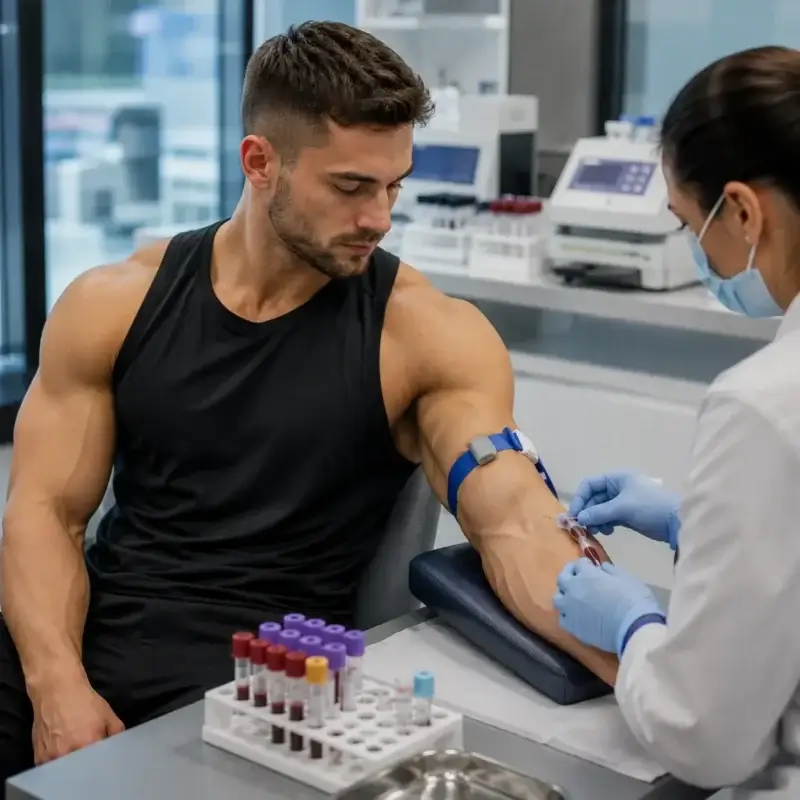
Before starting a program, athletes should complete medical examinations and determine baseline hormone levels. The selection of compounds, dosage, and course duration all depend on these results. A course for beginner bodybuilders differs dramatically from protocols used by experienced athletes. Effective sports pharmacology and training programs must always be individually tailored to the athlete’s physiology, training level, and potential contraindications.
Post-cycle therapy should never be ignored. Depending on the compounds used, athletes may need to restore natural hormone production and normalize the function of internal systems after the course ends.
Training volume must also be adjusted properly throughout the course. Many athletes make the mistake of dramatically increasing workload as soon as they begin using performance-enhancing compounds. While recovery capacity does improve, joints, tendons, and the central nervous system still require time to adapt. Intelligent progression remains critically important.
Exercise technique must also remain a priority. Increased strength levels often tempt athletes to use excessively heavy weights. This significantly increases injury risk. Even modern compounds cannot fully protect connective tissues from structural damage caused by poor mechanics or excessive loading.
Training program and muscle-building course: muscle growth and strength development
A muscle-building training program during a steroid course is based on progressively increasing both intensity and training weights. Compounds designed for substantial muscle growth work by increasing glycogen retention and strongly stimulating protein synthesis. These are usually compounds with a high anabolic index. Powerful androgens such as long testosterone esters provide stable hormone release into the bloodstream. Modern compounds typically work smoothly without dramatic hormonal fluctuations.
High-quality muscle-building compounds provide several important benefits:
- they stimulate muscle growth with minimal impact on other organs;
- they improve muscle density and hardness;
- they reduce excessive water retention;
- they improve nutrient partitioning toward muscle growth.
During muscle-building workouts, modern SARMs also improve endurance and strength performance. The body not only increases protein synthesis but also adapts more efficiently to intense training stress.
When selecting pharmacological compounds, athletes must consider training structure, nutrition, genetics, and individual contraindications. Pharmacology is only one component of a complete strategy.
It is also important to understand that muscle growth does not depend solely on the compounds themselves. Training quality remains the foundation. Even strong anabolic support cannot replace proper programming. Progressive overload, exercise selection, and sufficient training volume remain the key drivers of long-term hypertrophy.
Nutrition during a mass-gaining course also dramatically affects results. Without adequate protein, complex carbohydrates, and healthy fats, even the best-designed course will not deliver maximum progress. This is why experienced athletes always combine pharmacology with carefully structured nutrition strategies.
Training program and cutting course: reducing fat while preserving muscle mass
A cutting-focused training program during a steroid course differs significantly from a traditional bulking program. The goal during cutting is to preserve muscle size, eliminate body fat, and achieve maximum muscular definition. The core principles include:
- reducing training weights;
- increasing repetitions;
- shortening rest periods between sets;
- adding cardio sessions;
- using supersets.
An effective cutting strategy always includes a calorie deficit alongside proper hormonal regulation. Fat burners accelerate metabolism, stimulate thermogenesis, and enhance lipid oxidation. At the same time, athletes must avoid excessive increases in cortisol and insulin levels because these hormones can promote muscle breakdown and inhibit fat loss.
Compounds with anti-catabolic properties help the body obtain additional energy from fat reserves while preserving muscular fullness and definition. Modern ECA-based products are considered especially effective during aggressive fat-loss phases. Lipotropic compounds and peptides are also commonly used.
The combination of intense cardio training, a low-carbohydrate calorie-deficit diet, and modern sports pharmacology usually delivers the best cutting results.
At the same time, the cutting phase should not become excessively aggressive. Severe calorie deficits can still lead to muscle loss despite pharmacological support. This is why professional athletes typically prefer moderate deficits and longer cutting phases that preserve muscle quality and overall performance.
Water and electrolyte balance also become extremely important during cutting. Many athletes focus only on fat loss while ignoring hydration management. Poor fluid balance can negatively affect both training performance and overall physique appearance.
Training for body recomposition: combining muscle gain and fat loss in one strategy
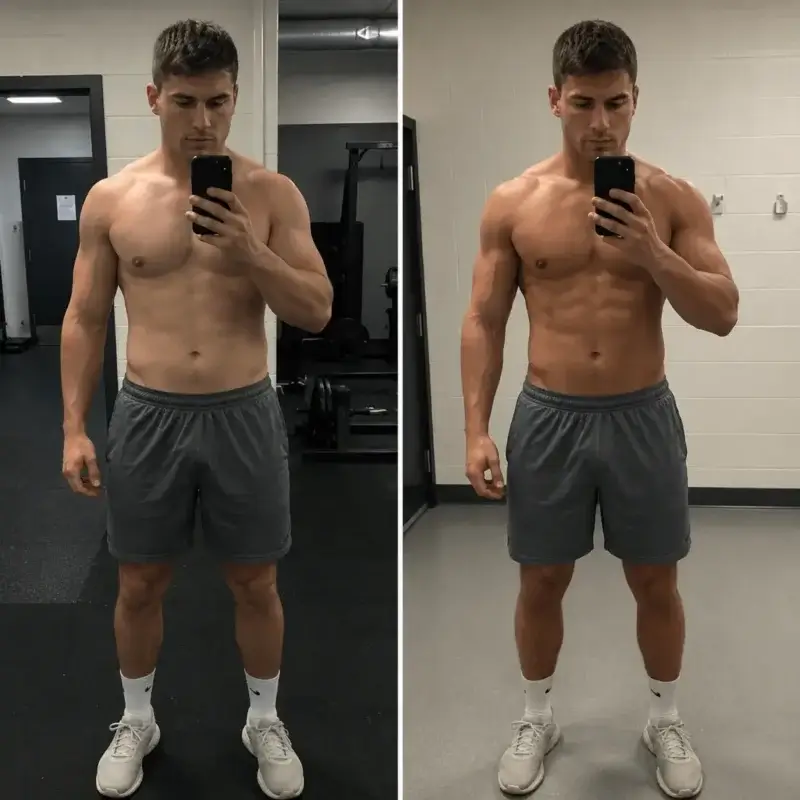
Training during a sports pharmacology course can simultaneously target muscle growth and fat reduction. Modern pharmacology offers highly effective tools for this purpose. Optimal body recomposition requires both accelerated metabolism and activated anabolic processes. The goal is to build and maintain lean muscle mass while reducing body fat levels.
A pharmacological course designed for lean muscle growth accelerates metabolism, helps control appetite, and reduces fat accumulation. It also significantly lowers the risk of post-cycle rebound effects.
Several characteristics of modern compounds make recomposition strategies highly effective:
- maintaining a stable anabolic environment throughout the cycle;
- improving bone and muscle density;
- protecting muscle tissue even during calorie deficits;
- significantly increasing strength performance;
- providing smooth results without extreme fat loss, helping maintain skin elasticity.
Selective androgen receptor modulators act directly within muscle and bone tissue while minimizing impact on many other systems. They also reduce water retention, helping athletes achieve a harder and more defined physique.
Body recomposition requires careful balance between training intensity and recovery. Many athletes attempt to maximize muscle gain while aggressively reducing body fat simultaneously. In practice, a more moderate strategy usually produces better long-term results. Sustainable progress comes from controlled adjustments to training, nutrition, and pharmacology.
It is also important to understand that recomposition generally progresses more slowly than traditional bulking or aggressive cutting phases. However, the results are often higher quality and more stable. This is one reason why many modern athletes prefer recomposition-based approaches over extreme bulking and cutting cycles.
Certified sports pharmacology for all types of courses in the Dinespower online store
The Dinespower online store offers certified sports pharmacology products for every stage of preparation — muscle gain, cutting, or body recomposition. A properly structured course always depends on the combination of training, recovery, nutrition, and correctly selected pharmacology. This comprehensive approach helps maintain a stable anabolic environment, accelerate recovery, and improve training efficiency while minimizing unnecessary risks.
For muscle-building programs, the catalog includes long-ester injectable steroids as well as modern SARMs such as RAD-140 (Testolone) and LGD-4033 (Ligandrol), which help increase strength, muscle density, and protein synthesis. During cutting and fat-loss phases, athletes commonly use Cardarine (GW-501516), ECA complexes, Clenbuterol, and lipotropic compounds that support lipolysis while preserving muscular definition even during calorie deficits.
For body recomposition strategies where athletes aim to preserve muscle mass while reducing body fat, compounds such as MK-677 (Ibutamoren), Ostarine (MK-2866), and other selective androgen receptor modulators work especially well. The catalog also includes peptides for joint and ligament recovery as well as PCT products, including Clomiphene and Enclomiphene, which help restore hormonal balance after a course.
All products available at Dinespower undergo laboratory testing and are supplied by trusted manufacturers with verified quality certifications. This allows athletes to use original sports pharmacology with predictable effects and build effective courses for goals ranging from muscle growth to achieving a dry, hard, and highly defined physique.