Deutsch
 English
 Français
 Español
 Italiano
 Svenska
 Čeština
 Nederlands
 Русский
 Українська
 Polski



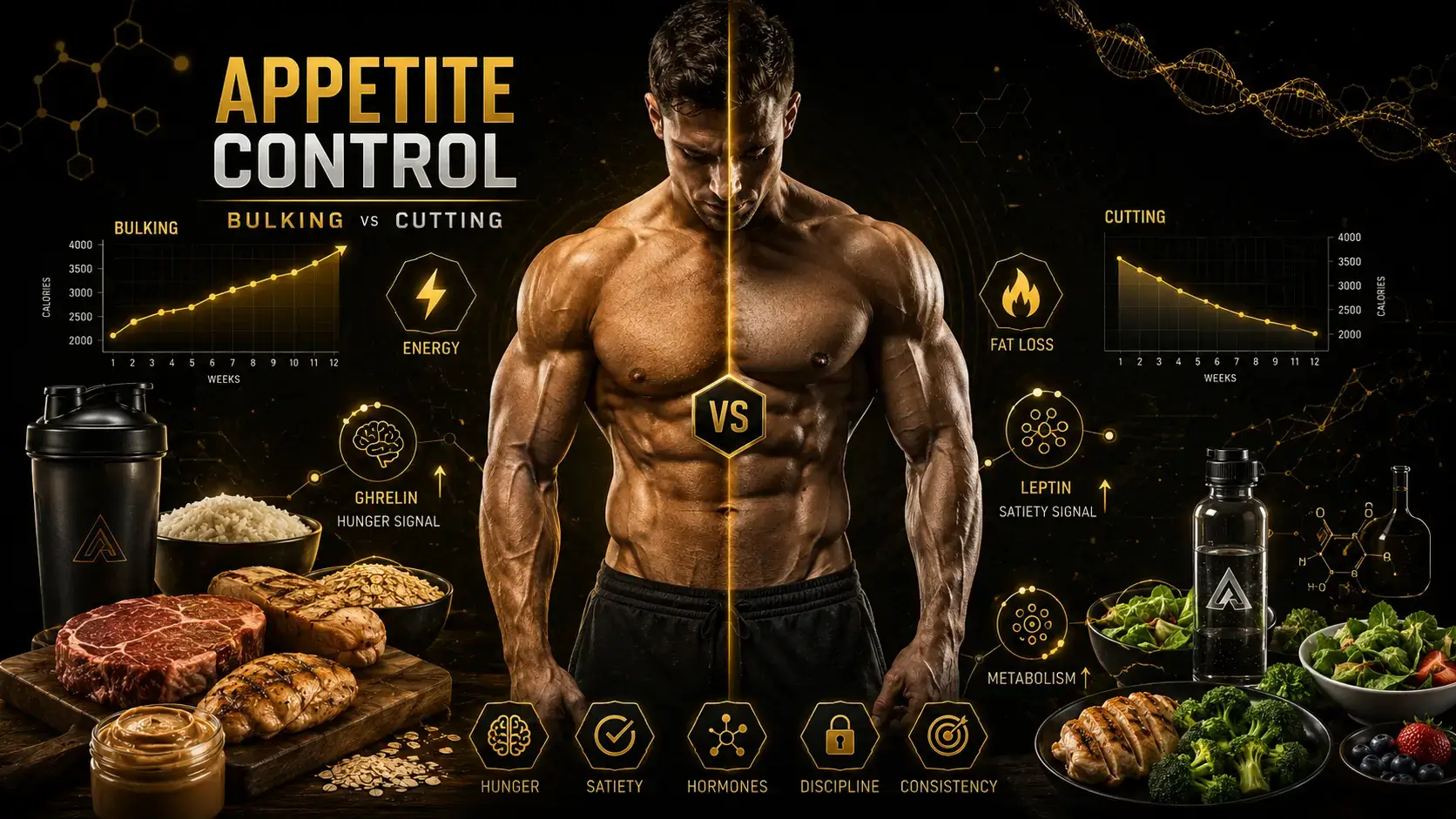
Results in bodybuilding depend on more than the training programme alone. Even with a properly selected workload, progress may slow down when an athlete does not consume enough energy to support muscle growth or regularly exceeds the planned calorie intake during a cutting phase.
Appetite creates opposite problems at different stages of preparation. During bulking, some athletes struggle to consume the required amount of food consistently. In a calorie deficit, the situation changes: portions become smaller, hunger gradually increases and following the diet becomes psychologically more difficult.
Appetite control is therefore not an attempt to suppress the body’s natural signals completely. The goal is to structure nutrition, daily routine and training load so that the chosen programme can be followed for weeks and months without constant overeating or forcing down meals.
Why nutrition control becomes a key factor in bodybuilding results
Changes in body composition are primarily connected with energy balance. A controlled calorie surplus is needed for gradual muscle gain, while a sustainable deficit is required to reduce body-fat percentage. However, the numbers alone do not guarantee results.
During bulking, an excessive surplus does not accelerate muscle growth in direct proportion to the amount of food consumed. A considerable share of the additional energy may be stored as body fat, making the subsequent cutting phase longer and more difficult. During a deficit, overly aggressive calorie restriction increases the risk of overeating, reduces performance and makes it harder to preserve muscle mass.
Appetite and adherence to the programme are influenced by:
- food volume and energy density;
- protein and fibre content;
- the distribution of meals throughout the day;
- sleep quality and stress levels;
- training intensity and overall activity.
Even foods with the same calorie content can affect satiety differently. A large portion of vegetables, lean meat and grains will usually be more filling than a small amount of energy-dense food. During cutting, this helps increase both the visual and physical volume of the diet. During bulking, by contrast, excessive amounts of fibre and low-calorie foods may make it difficult to consume enough energy.
The diet should therefore match the current objective. For an objective assessment of progress, it is better to consider average weekly body weight, changes in body measurements and trends in strength performance rather than relying on a single weigh-in.
How hormones influence appetite: ghrelin, leptin and hunger-regulation mechanisms
Appetite is not regulated by a single hormone but by a complex system of signals originating from the gastrointestinal tract, adipose tissue, pancreas and central nervous system.
Ghrelin is often called the hunger hormone. Its level usually rises before the usual time of a meal and decreases after eating. It influences not only the physical sensation of hunger but also the attractiveness of food and the desire to obtain a rapid reward from highly palatable products.
Leptin is produced mainly by adipose tissue and informs the brain about the body’s long-term energy reserves. During prolonged calorie restriction and a reduction in body fat, leptin levels may decline. At the same time, food can begin to occupy more attention, making dietary restrictions harder to maintain.
Insulin, cortisol, thyroid hormones and satiety signals produced after food enters the gastrointestinal tract also participate in appetite regulation.
Sleep and stress can substantially alter how this system works. After several nights of insufficient sleep, an athlete may experience stronger hunger, choose high-calorie foods more often and have greater difficulty controlling impulsive decisions. High stress suppresses appetite in some people but triggers overeating in others.
It is important to distinguish physiological hunger from the desire to eat for other reasons. Genuine hunger usually builds gradually and can be satisfied with different foods. Appetite caused by boredom, stress or habit often appears suddenly and is directed towards a specific sweet, fatty or salty product.
Appetite control in a calorie deficit: how to reduce hunger during cutting
An increase in hunger during cutting is a natural response of the body. The longer the deficit continues and the lower the body-fat percentage becomes, the more difficult it is to maintain the same diet.
It is generally impossible to eliminate hunger completely without changing calorie intake. Its intensity can nevertheless be reduced by selecting suitable foods and an appropriate rate of weight loss.
Protein sources should form the basis of the diet because protein helps maintain satiety and preserve muscle mass. Vegetables, leafy greens, whole grains and other fibre-rich foods increase portion volume without sharply increasing calorie intake. Soups, salads, lean meat, fish, cottage cheese and other highly satiating foods can be useful.
The pace of the cutting phase is also important. If body weight decreases too quickly, sleep, mood and training performance may deteriorate, while thoughts about food become intrusive. In this situation, the problem may not be poor discipline but an excessively aggressive deficit.
Practical strategies for controlling hunger include:
- a moderate rather than abrupt reduction in calorie intake;
- sufficient protein and fibre;
- large-volume meals with moderate calorie content;
- allocating more food to the hours when hunger is strongest;
- consistent sleep and sensible management of training load.
Meal frequency should be chosen individually. Some people find it easier to follow a diet with three relatively substantial meals, while others prefer four or five smaller ones. There is no universal frequent-meal plan that automatically suppresses appetite.
If strength performance declines significantly and persistent irritability, sleep problems and regular overeating occur, the calorie deficit should be reconsidered. A short period at maintenance calories can sometimes help an athlete continue preparation more effectively than further tightening the diet.
Increasing appetite for muscle gain: when consuming enough calories becomes difficult
Building muscle mass is not always accompanied by a constant desire to eat. With a high calorie intake, large amounts of solid food and frequent meals, an athlete may experience heaviness, rapid fullness and reduced interest in food.
This is particularly common when calorie intake is increased too quickly. The digestive system does not have time to adapt, and each additional meal becomes difficult.
A controlled bulk does not require an uncontrolled calorie surplus. The size of the surplus should be adjusted according to changes in body weight and composition. If body weight does not change for several weeks, calorie intake can be increased gradually in small steps.
Energy-dense foods can raise calorie intake without creating excessive food volume. Examples include rice, pasta, nut butters, vegetable oils, dried fruit, fatty fish and dairy products with an appropriate fat content.
Liquid calories can also be useful. A shake made from milk or another drink, grains, fruit and a protein source is often easier to consume than another large portion of solid food. Tolerance depends on its composition, however: excessive quantities of dairy products, sweeteners or fibre can cause bloating and discomfort in some people.
The problem should not be addressed solely by increasing meal frequency. Sometimes fewer meals with a higher energy density work better than eating small portions continuously throughout the day.
If appetite suddenly decreases without an obvious explanation and is accompanied by nausea, pain, pronounced weakness or other symptoms, the problem should not be attributed solely to training. In this case, possible digestive, metabolic and general health disorders should be ruled out.
Hunger control during weight loss: nutrition, routine and practical strategies
Appetite control is not based only on food selection. The organisation of the environment and daily routine also plays an important role.
Long gaps between meals increase hunger in some people and make evening overeating more likely. This does not mean that blood glucose necessarily falls to dangerous levels or that everyone needs to eat every two hours. The schedule should make it easier to maintain the planned calorie intake without interfering with work, training or sleep.
It is useful to identify in advance when hunger is usually strongest. If controlling food intake is more difficult in the evening, a substantial share of daily calories can be reserved for the second half of the day. If the main training sessions take place in the morning, a larger breakfast and post-workout meal may be more convenient.
Simple organisational measures can also help, including planning the menu, preparing food in advance, limiting access to high-calorie snacks and using products with easily understood calorie values.
The psychological component is equally important. Constantly dividing food into “clean” and “forbidden” categories often increases the desire to break the diet. A nutrition plan may include a small amount of favourite foods provided that they fit within the total calorie intake and do not replace protein, fibre and essential nutrients.
Sustainable weight loss should not be a period of constant struggle with oneself. A good programme must be strict enough to produce results but realistic enough to follow for a prolonged period.
Appetite-reducing products and sports pharmacology: modern approaches to body-weight management
Sports pharmacology can influence appetite in different directions. Some compounds temporarily reduce hunger, others strengthen satiety signals, while certain substances noticeably increase the desire to eat.
Compounds affecting satiety and eating behaviour
Interest in compounds that act on incretin receptors has increased in recent years. This group includes Tirzepatide, while Retatrutide is a newer investigational compound that acts on several metabolic receptors simultaneously.
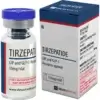
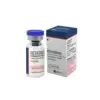
Interest in such products is associated with reduced appetite, earlier satiety and slower gastric emptying. However, these are not ordinary sports supplements. Such compounds may cause nausea, digestive disturbances, excessive reductions in calorie intake and other adverse reactions.
Their use should not become a way to abandon normal nutrition completely during a cutting phase. If appetite is suppressed too strongly, an athlete risks consuming insufficient protein, micronutrients and energy for training and muscle preservation.
Stimulants and thermogenic products
Caffeine, Yohimbine, DMAA and other stimulants temporarily reduce subjective hunger and increase activity in some users. This is why they are often considered during cutting.
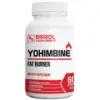
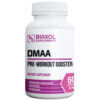
Appetite suppression is neither a guaranteed nor a sustainable effect, however. Hunger may return after the stimulant effect wears off, while increasing the dose raises the strain on the nervous and cardiovascular systems.
Stimulants can affect blood pressure, heart rate, anxiety and sleep. If they impair overnight recovery, controlling food intake the following day may become even more difficult. They therefore do not replace a properly calculated calorie deficit and cannot correct errors in the diet.
Compounds that may increase appetite
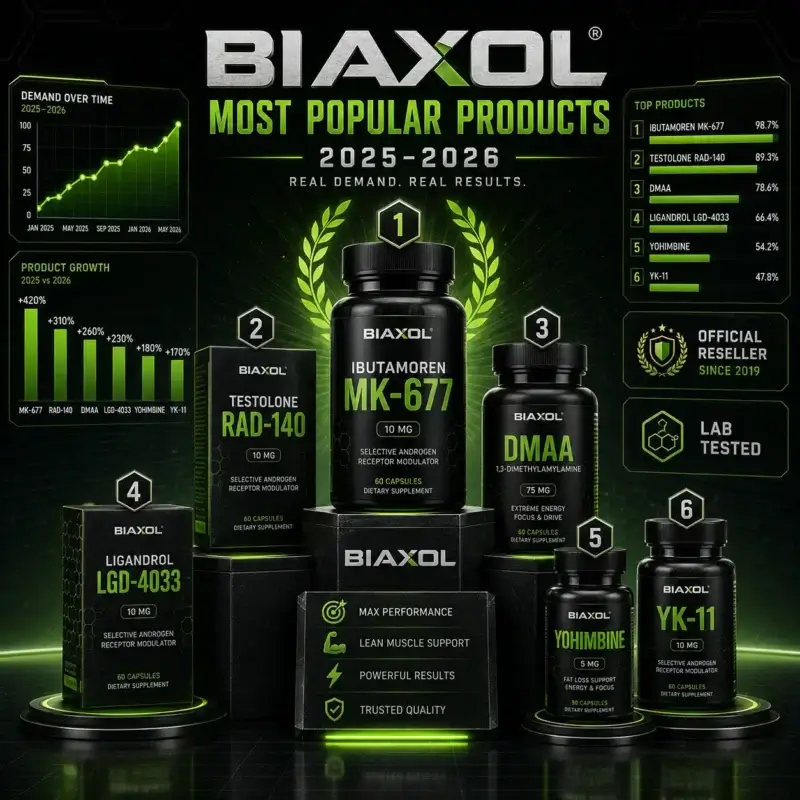
During bulking, athletes often become interested in Ibutamoren MK-677. It interacts with ghrelin receptors and may noticeably increase appetite in some users.
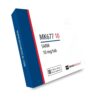
This effect may appear useful for someone who struggles to consume enough calories. However, increased appetite does not guarantee high-quality muscle gain. Without dietary control, it may lead to an excessive calorie surplus and rapid accumulation of body fat.
MK-677 may also affect fluid retention, insulin sensitivity and glucose levels. It should therefore not be regarded as a simple and completely safe way to increase food intake.
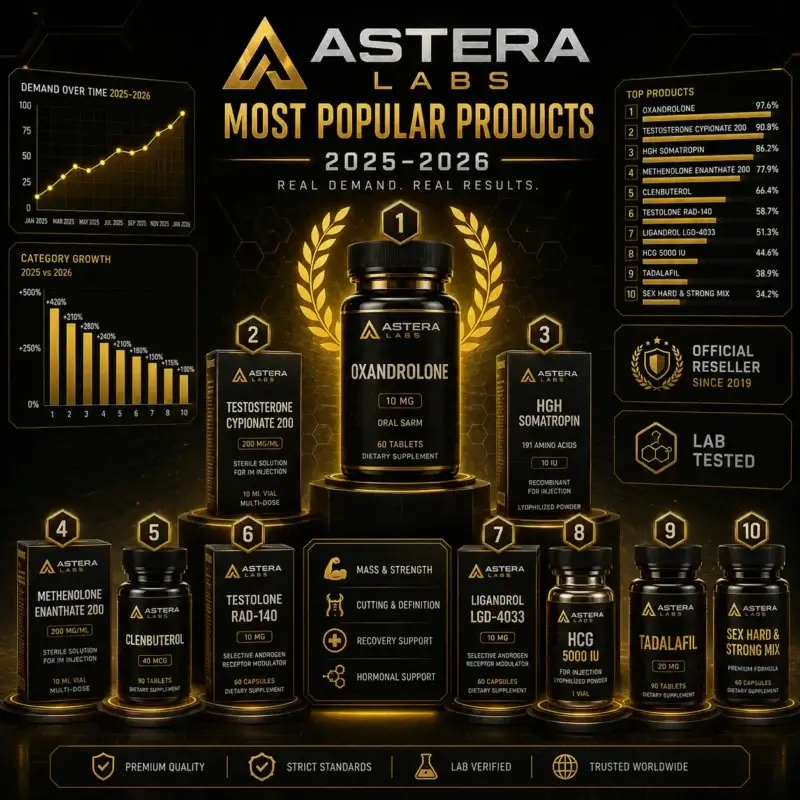
The Dinespower catalogue includes products from several categories, including stimulants, fat burners and modern metabolic compounds. In addition, Dinespower has been an official distributor of Biaxol, Deus Medical and Astera Labs since 2019.
Laboratory tests are available on the website for all products, confirming their quality. Original sourcing and verified composition are important, but they do not eliminate the risks associated with the active ingredient itself. Before using compounds that affect appetite, hormones or metabolism, it is necessary to consider health status, potential interactions and relevant laboratory markers. Competitive athletes should also check the current anti-doping status of the selected compound.
Appetite control does not begin with a product. During both bulking and cutting, realistic calorie intake, suitable dietary energy density, sufficient protein, sleep and consistency remain the foundation of results. Pharmacological compounds may alter hunger, but they cannot replace the system required for sustainable progress.